I Built an AI Chatbot That Uses My Own Data (Here’s How It Actually Works)
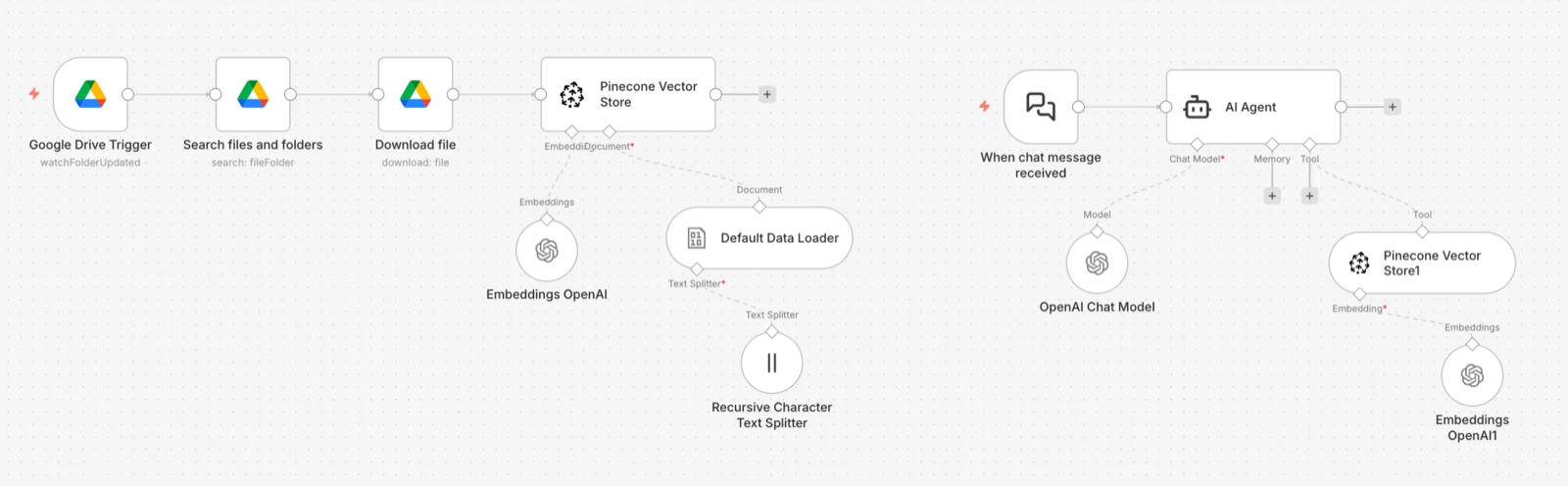
If you’ve ever tried building an AI chatbot, you’ve probably noticed something frustrating:
It sounds confident… but it often gets things wrong.
That’s because most AI models don’t actually know your data. They’re guessing based on patterns from training — not your documents, files, or internal knowledge.
That’s exactly what I wanted to fix.
In this post, I’ll explain how I built an AI chatbot that answers questions using private data, why this approach works, and when you should use it yourself. I also walk through the full build step by step in the video.
 Watch the videoBuild AI That Actually Uses Your Own DataOn YouTube ↗
Why normal AI chatbots fall apart
Out of the box, large language models:
- Don’t know your private documents
- Aren’t aware of up-to-date information
- Will confidently “hallucinate” when they’re unsure
This makes them risky for things like:
- Internal tools
- Support bots
- Knowledge assistants
- Anything where accuracy matters
So instead of trying to “prompt better,” the real solution is to give the AI access to the right information first.
The idea that fixes this: RAG (in plain English)
RAG stands for Retrieval-Augmented Generation, but the idea is actually simple.
Instead of asking the AI to answer from memory, you:
- Retrieve the most relevant information from your data
- Pass that information into the model
- Let the model answer based on that context
Think of it like the difference between:
- A closed-book exam (guessing)
- An open-book exam (grounded answers)
That’s why RAG dramatically reduces hallucinations.
When this approach makes sense
This works especially well for:
- AI assistants that answer questions about documents
- Internal company tools
- Customer support bots
- Personal knowledge bases
Any time the AI needs to be accurate, specific, and grounded, RAG is the right approach.